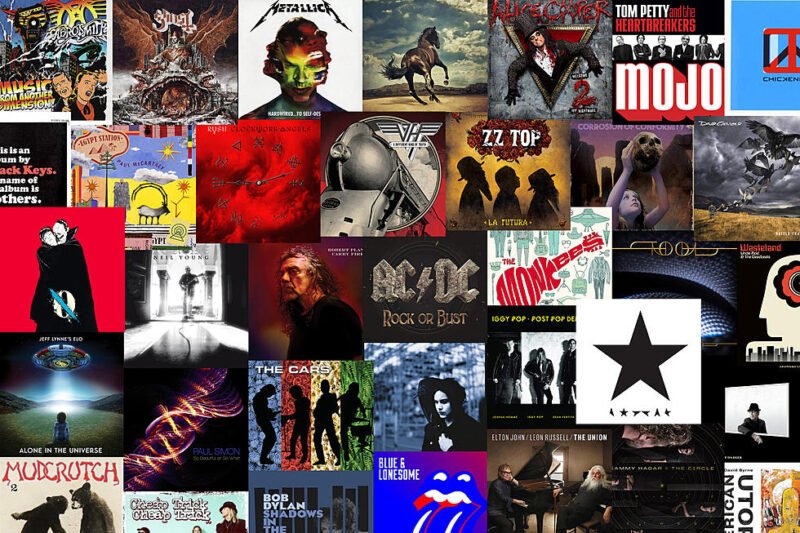
For the bigger picture and full context, make sure you read our main guide on Best Rock And Roll Albums Of All Time, Finally Ranked.
markdown
The influence of rock albums stretches far beyond mere entertainment; they've shaped culture, defined generations, and continue to inspire musicians today. But with countless records vying for attention, how do you navigate the genre's vast landscape and identify the true landmark achievements?
At a glance:
- Understand the core criteria that define a truly exceptional rock album.
- Explore essential rock albums across different decades, from the revolutionary 60s to the alternative 90s.
- Learn about the subgenres and key characteristics that have shaped rock music.
- Discover how these albums continue to influence modern artists and music theory.
- Get practical tips on how to start your journey through the world of rock albums.
What Makes a Rock Album Legendary?
Not all rock albums are created equal. Several key factors contribute to an album achieving legendary status and lasting impact. Let’s break down what to look for:
- Artistic Innovation: Does the album push boundaries? Think of Sgt. Pepper's Lonely Hearts Club Band by The Beatles; it wasn't just music; it was a studio revolution, pioneering new recording techniques and album concepts.
- Cultural Impact: Did the album capture the zeitgeist of its time? Consider Nevermind by Nirvana. It didn’t just sell records; it defined the grunge movement and brought alternative rock into the mainstream.
- Musical Excellence: Are the songwriting, performances, and production top-notch? Rumours by Fleetwood Mac stands as a testament to impeccable pop-rock songwriting and production, despite the band's internal turmoil.
- Enduring Influence: Does the album continue to inspire musicians and influence contemporary music? The Velvet Underground & Nico's urban lyrics and avant-garde sound laid the groundwork for alternative and indie rock acts for decades to come.
A Decades-Spanning Journey Through Rock History
Each decade has brought its own unique flavor to rock music. Here's a brief tour through some essential albums from different eras:
The 1960s: Revolutionizing the Soundscape
This decade saw rock and roll explode into a diverse range of subgenres. Experimentation was the name of the game.
- Must-Hear Album: Are You Experienced by The Jimi Hendrix Experience. This album wasn't just a collection of songs; it redefined electric guitar playing and introduced a psychedelic sound that captivated audiences worldwide.
The 1970s: The Golden Age of Rock
The 70s expanded rock's horizons with progressive rock, heavy metal, and punk. - Must-Hear Album: Led Zeppelin IV. Heavy rock, folk, and mystical themes blended into a potent combination that continues to resonate.
The 1980s: New Wave and Beyond
New wave, hard rock, and stadium rock emerged as dominant forces in the 80s. - Must-Hear Album: Appetite for Destruction by Guns N' Roses. Its raw energy and rebellious attitude revitalized hard rock and captured the spirit of a generation.
The 1990s: The Alternative Revolution
Grunge and alternative rock took center stage, challenging the mainstream. - Must-Hear Album: Ten by Pearl Jam. Bridging grunge and classic rock influences, this album offered a more melodic and accessible take on the alternative sound.
Decoding Rock Subgenres: A Quick Guide
Rock music isn't a monolith. Understanding its many subgenres can help you appreciate the nuances and differences between various artists and albums.
- Blues Rock: Rooted in blues music, characterized by electric guitars, improvisational solos, and soulful vocals. Example: Disraeli Gears by Cream.
- Psychedelic Rock: Marked by experimental sounds, distorted guitars, and surreal lyrics, often associated with the counterculture movement. Example: The Piper at the Gates of Dawn by Pink Floyd.
- Heavy Metal: Defined by aggressive riffs, intense vocals, and powerful drumming. Example: Paranoid by Black Sabbath.
- Punk Rock: Characterized by raw energy, simple song structures, and anti-establishment lyrics. Example: London Calling by The Clash.
- Alternative Rock: A diverse genre encompassing bands that didn't fit neatly into mainstream categories, often characterized by unconventional sounds and introspective lyrics. Example: OK Computer by Radiohead.
- Glam Rock: Theatrical performances focusing on outrageous costumes, makeup, and guitar-driven riffs. Example: The Rise and Fall of Ziggy Stardust and the Spiders from Mars by David Bowie.
How Rock Albums Continue to Shape Modern Music
The influence of classic rock albums is undeniable. Contemporary artists frequently cite them as inspirations, covering their songs and incorporating their techniques.
- Production Techniques: Many classic rock albums pioneered recording techniques that are still used today. For example, the use of multi-tracking and studio effects in Sgt. Pepper's Lonely Hearts Club Band revolutionized music production.
- Songwriting Templates: These albums established songwriting templates that modern artists continue to follow. The verse-chorus-bridge structure, popularized by many rock bands, remains a staple of popular music.
- Cultural Resonance: The themes explored in classic rock albums continue to resonate with new generations. Songs about love, loss, rebellion, and social change remain timeless and universal.
See the rock album ranking to explore a broader list of influential records that have stood the test of time.
Practical Playbook: Diving Into Rock Albums
Ready to start your journey into the world of rock albums? Here's a step-by-step guide:
- Start with the Classics: Begin with albums widely recognized as landmarks, such as Led Zeppelin IV, The Dark Side of the Moon, or Nevermind.
- Explore Different Subgenres: Sample different subgenres to find what resonates with you. Listen to a blues rock album like Layla by Derek and the Dominos, followed by a punk rock album like Ramones by Ramones.
- Read Reviews and Critic Reviews: Check out reviews from reputable sources like Rolling Stone, Pitchfork, or AllMusic to gain insights into the album's historical context and critical reception.
- Listen Actively: Don't just passively listen to the music. Pay attention to the lyrics, instrumentation, and production. Try to understand what makes the album unique and influential.
- Dive into Related Artists: Once you find an artist or album you enjoy, explore their other works and related artists. For example, if you like The Velvet Underground & Nico, check out Lou Reed's solo albums or other bands from the New York art scene.
Decision Tree for Choosing Your Next Rock Album:
- Question: Feeling energetic and rebellious?
- Yes: Explore Punk Rock (e.g., The Clash - London Calling) or Hard Rock (e.g., Guns N' Roses - Appetite for Destruction)
- No: Continue
- Question: Seeking introspection and complex themes?
- Yes: Dive into Alternative Rock (e.g., Radiohead - OK Computer) or Progressive Rock (e.g., Pink Floyd - The Dark Side of the Moon)
- No: Continue
- Question: Want to hear virtuosic guitar playing?
- Yes: Explore Blues Rock (Derek and the Dominos - Layla) or Heavy Metal (Black Sabbath - Paranoid)
- No: Consider starting with a foundational album like The Beatles - Sgt. Pepper's Lonely Hearts Club Band
Quick Answers: Common Questions About Rock Albums
Q: What if I don't like the "classics"?
A: That's perfectly fine! Music taste is subjective. The classics are a good starting point for understanding the genre's history, but don't feel obligated to like them. Explore different subgenres and artists until you find what resonates with you.
Q: Are rock albums still relevant in the age of streaming?
A: Absolutely! While streaming has changed how we consume music, albums remain a powerful art form. Many artists still create concept albums with a cohesive narrative or thematic focus. Listening to an album from start to finish offers a more immersive and rewarding experience.
Q: How important is the historical context when listening to a rock album?
A: Understanding the historical context can enhance your appreciation of an album. Knowing the social, political, and cultural climate in which it was created can shed light on its themes and messages. However, it's not essential. You can still enjoy an album simply for its music.
Your Rock Album Journey Starts Now
The world of rock albums is vast and rewarding. By understanding the key criteria, exploring different subgenres, and actively listening to the music, you can discover countless masterpieces that will enrich your life. Now it's time to pick an album and press play.